Space Force taps SpaceX, ULA for first set of critical launches beyond FY27
SpaceX was assigned seven NSSL Phase 3 Lane 2 launches under a contract worth $714 million; ULA two launches worth $428 million.
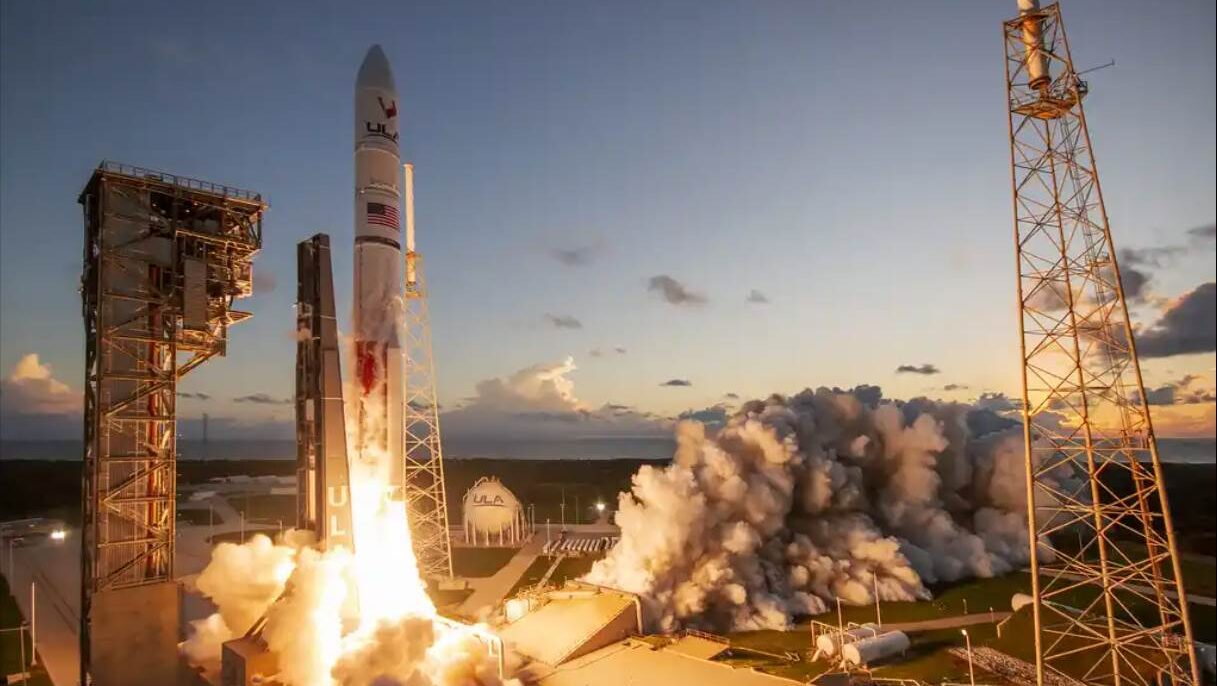
Vulcan's heaviest version, which will use six solid rocket motors, still awaits Space Force certification.
Explore how networked warfare, AI, and 3D-printed drones are reshaping US Indo-Pacific strategy.
There are a lot of hopes within DoD and the Space Force for Project Kuiper's success, with officials seeing the constellation as offering diversity beyond Starlink in the supplier base for so-called proliferated LEO services.
While the number of launches contracted to Blue Origin is small, the award represents a vote of confidence for the company founded by Amazon billionaire Jeff Bezos.
With that thumbs up from Space Systems Command’s (SSC) Assured Access to Space program office in hand, ULA now is the second fully certified launch provider, along with SpaceX, cleared under the Space Force's National Security Space Launch (NSSL) program.
ULA CEO Tory Bruno separately told reporters his firm identified a "manufacturing" error as the cause of an anomaly in its latest certification launch.
Brig. Gen. Kristin Panzenhagen, Space Force acquisition leader for assured access to space, said her focus going forward is "resiliency" across her portfolio, which includes launch vehicles, range infrastructure and capacity, and base security.
Service leaders see the launch vehicle as a future competitor to SpaceX's Falcon series rockets that currently have a lock on the most critical launches under the Defense Department's National Security Space Launch program.
ULA CEO Tory Bruno expressed confidence that the Vulcan Centaur would be able to loft its two manifested launches scheduled for early next year for the National Security Space Launch program.
Lt. Gen. Philip Garrant, chief of the Space Force’s Space Systems Command, stated that the service will not move forward with awards for the newest round of the National Security Space Launch program until Congress approves the fiscal 2025 budget.
Should Vulcan get the Space Force go-ahead, both planned NSSL missions are expected to fly by the end of the year as planned.
ULA CEO Tory Bruno explained that Air Force space acquisition czar Frank Calvelli asked Lockheed Martin and Boeing to create an independent review team to "help" Vulcan production rates and launch site readiness remain on track.
ULA's Vulcan Centaur needs one more successful flight test to be certified to carry payloads to orbit under the Space Force's National Security Space Launch program.
The planned launches, which will take place starting in FY26, include sending a second SILENTBARKER watchdog satellite jointly developed by the service and the National Reconnaissance Office to geosynchronous Earth orbit (GEO).